Trusted Philadelphia Electrical Contractor for Quality Electrical Work
Trusted Philadelphia Electrical Contractor for Quality Electrical Work
Blog Article
Expert Electrical Contractor for Trustworthy Installations and Repairs
Throughout the industry of electrical work, a qualified contractor takes a significant role in ensuring both sound installations and repairs. Their competence not only guarantees observance to safety standards but also fosters a sense of faith with clients. By evaluating vital qualities, such as experience and communication skills, one can identify the right professional for the job. Understanding these factors can greatly impact the success of any electrical project, prompting further inquiry into the selection process.
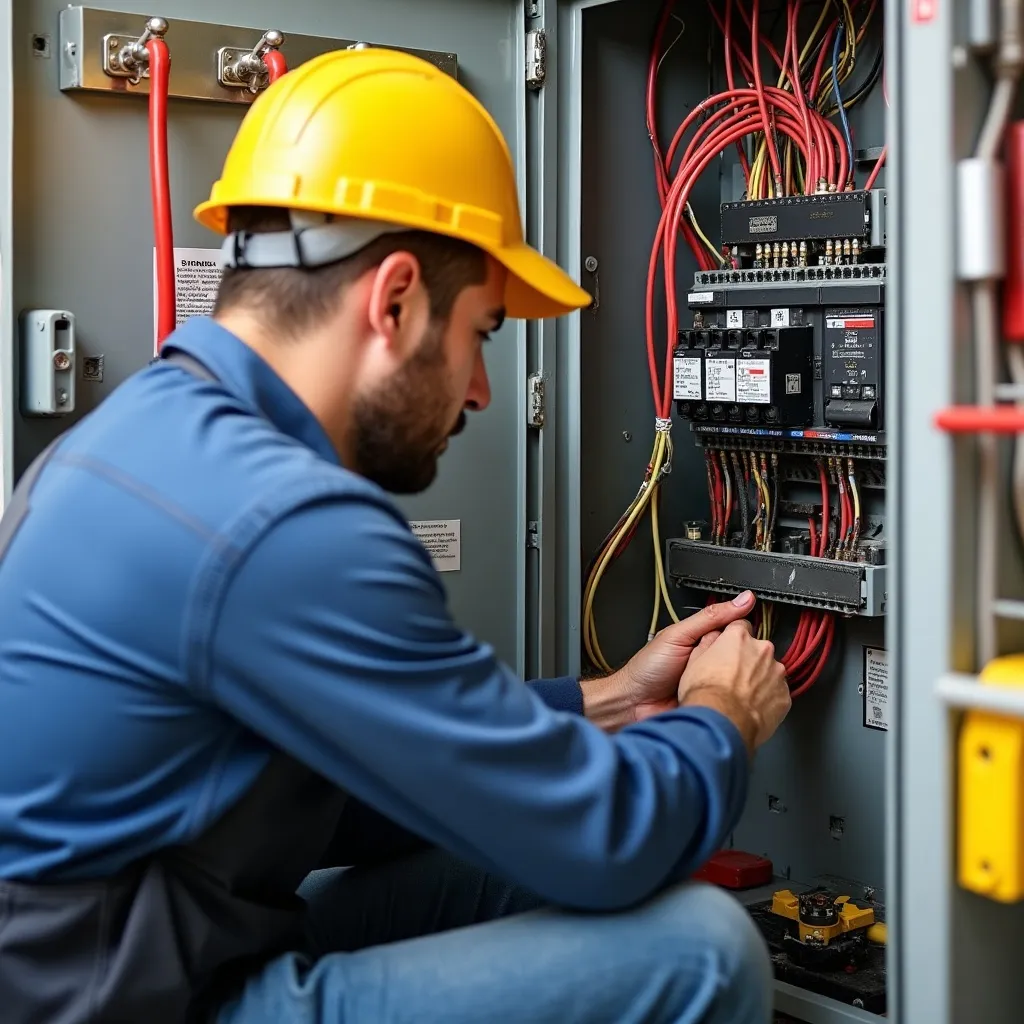
Essential Characteristics of a Reliable Electrical Contractor
When selecting an electrician, it is imperative to identify the critical qualities that build trustworthiness. A reliable contractor should maintain proper licensing and insurance, ensuring compliance with local regulations and protection against potential liabilities. Experience in the discipline is another significant factor; seasoned contractors are more skilled at handling diverse electrical problems and understanding complex systems.
Additionally, excellent interpersonal abilities are crucial, enabling contractors to explain processes and handle customer worries clearly. A trustworthy contractor also shows honesty, offering transparent estimates and preventing hidden fees. Moreover, favorable feedback and testimonials from past customers can function as markers of dependability and quality service. Finally, a commitment to ongoing education reflects a contractor's dedication to staying updated on industry standards and technologies, which is essential for providing secure and reliable electrical services. These qualities collectively form the foundation of a trustworthy electrical contractor.
How to confirm if Your Electrician Is qualified?
Assessing an electrician's background is a vital step in guaranteeing standards and safety in electrical installations. To start, property owners must request the electrician's credential, which indicates they fulfill municipal and national requirements. Verifying liability coverage is similarly essential, as it safeguards property owners from legal liability should incidents happen. In addition, pursuing accreditations from well-known associations may indicate specialized knowledge and competence.
Homeowners can also ask about the electrical expert's experience in specific types of electrical work relevant to their requirements. Reading reviews and testimonials from previous clients provides insights into the electrician's dependability and professionalism. Additionally, open discussion can demonstrate the electrician's ability to explain their qualifications and approach to the job. By following this process, homeowners can ensure they employ a qualified electrician able to provide secure and efficient electrical services.
How Knowledge Counts for Electrical Contractors
Experience is a key factor in the effectiveness of electrical contractors. A proven skill set, careful adherence to safety compliance standards, and strong problem-solving expertise are signatures of seasoned professionals. These qualities not only boost the quality of work but also ensure a safer environment for clients.
Validated Expertise
An adept electrical contractor brings considerable proficiency that directly influences the safety and caliber of electrical undertakings. Their proven skill set incorporates an extensive spectrum of competencies, including troubleshooting, installation, and maintenance of electrical systems. Proficiency allows them to quickly identify complications in a timely manner and execute productive remedies, minimizing downtime and ensuring maximum performance. Moreover, mature service providers possess knowledge of the latest technologies and industry advancements, facilitating them to provide state-of-the-art solutions tailored to individual client needs. Their operational experience also equips them with the applied expertise necessary to skillfully manage stringent regulatory frameworks and regulations. At the end of the day, a seasoned electrical professional enhances the steadiness of repairs and installations, establishing trust and confidence in end-users.
Safety Regulatory Standards
Understanding the sophisticated domain of safety compliance standards demands a deep understanding and practical knowledge that only seasoned electrical contractors possess. These specialists are well-versed in local, state, and national regulations, ensuring that all installations and repairs adhere to the highest safety protocols. Their expertise allows them to recognize potential hazards and implement preventative measures effectively. Moreover, knowledge of industry standards, such as the National Electrical Code (NEC), is essential for maintaining compliance and safeguarding lives. A competent electrical contractor not only emphasizes safety but also performs thorough inspections to identify any discrepancies. This dedication to compliance not only decreases risks but also improves the longevity and reliability of electrical systems, ultimately benefiting clients and the broader community.
Problem-Solving Proficiency
Handling complex electrical issues requires keen problem-solving skills that seasoned electrical contractors provide. Their extensive expertise enables them to quickly diagnose issues and implement efficient solutions, reducing downtime and maintaining safety. Compared to less experienced contractors, they have dealt with a variety of situations, allowing them to foresee likely obstacles before they occur. This foresight leads to efficient project execution and minimized costs for clients. Moreover, their knowledge of various systems and technologies allows them to adjust to developing industry standards efficiently. Ultimately, the problem-solving skills of experienced electrical contractors not only improve the quality of installations and repairs but also build confidence and reliability in their services. Experience is undoubtedly a valuable resource in this profession.
Why Upfront Pricing Is Fundamental
Why is clear pricing vital in the electrical service industry? Open pricing establishes confidence between service providers and customers, providing clarity in budget projections. When clients receive comprehensive quotes that detail labor, materials, and likely supplementary costs, they can choose wisely without the fear of undisclosed fees. This transparency encourages a favorable connection and promotes repeat business.
Additionally, transparent costs enables clients to assess services successfully, permitting them to pick professionals who offer fair and honest rates. It minimizes miscommunications and disputes, expediting the project timeline. A established electrical contractor who adopts straightforward pricing exhibits professionalism and integrity, reinforcing their pledge to quality service. Finally, honesty in pricing not only enhances customer satisfaction but also lends to a contractor's reputation in a tough market, paving the way to enduring success.
What You Should Understand About the Electrical Contracting Process
During the electrical contracting process, clients can anticipate a ordered strategy that initiates with an opening meeting. This meeting allows the contractor to analyze demands and discuss potential solutions. Following this, the installation and repair steps are carried out with attention to detail and safety standards.
Starting Discussion Process
What should one expect when beginning the electrical contracting procedure? The initial consultation acts as a critical step for the client and contractor alike. During this appointment, the contractor covers the client's requirements, aims, and any specific requirements for the project. They will inspect the site, spotting potential difficulties and advantages. Clients should come ready to raise questions about timeframes, costs, and the contractor's qualifications. The contractor generally offers insights into the latest technologies and solutions that correspond with the client's vision. This stage often includes detailed talks about abidance with local standards and safety rules. Ultimately, the initial consultation creates the foundation for a honest working relationship, confirming both parties are aligned before proceeding.
Installation and Repair Steps
Once the opening consultation has finished, the installation and repair process begins with a thorough assessment of the project demands. The electrical contractor reviews existing systems, identifies potential issues, and formulates a plan that outlines necessary materials and timelines. Following this assessment, the contractor acquires any required permits and detailed guide licenses to guarantee compliance with local regulations.
Next, the assembly or servicing work is implemented, which may demand electrical components, fixture installation, or system modernization. Throughout the process, the contractor maintains open communication with the client to manage any concerns. After completion, a final inspection confirms that everything meets safety standards and performs adequately. The contractor provides guidance on maintenance and operation, assuring the client possesses confidence in their electrical system.
Establishing Reliability With Your Electrical Contractor
Fostering trust with an electrical contractor is required for creating a successful project outcome. This relationship promotes open communication, permitting clients to articulate their needs and apprehensions while contractors give expert counsel and transparent pricing. A contractor's reputation plays a key role; confirmed qualifications, strong reviews, and past project references can greatly determine a client's confidence.
Moreover, establishing clear parameters pertaining to timelines, costs, and responsibilities establishes a foundation of reliability. Ongoing updates throughout the project can enhance trust, as clients feel in the loop and involved.
In addition, a reliable contractor will be open about potential hurdles and strategies, manifesting integrity and professionalism. Ultimately, building trust not only results in better collaboration but also confirms that the electrical work is accomplished to the highest standards, ensuring safety and satisfaction for all parties involved.
Often Posed Inquiries
What Types of Electrical Services Do Contractors Typically Provide?
Electrical contractors typically provide services such as wiring installations, circuit remediation, lighting design, panel upgrades, troubleshooting, and routine care. They also handle safety inspections, energy evaluations, and can help with renewable energy system installations, ensuring adherence to legal requirements.
How Should I Ready Myself for an Electrician's Consultation?
To get ready for an electrician's visit, one should remove clutter from the workspace, guarantee convenient access to outlets and panels, gather relevant documents, and compile specific issues or questions to go over during the appointment.
What Safety Precautions Do Electrical Contractors Maintain?
Electrical contractors follow strict safety measures, such as donning protective gear, guaranteeing correct tool application, following electrical codes, conducting risk assessments, maintaining equipment, and implementing lockout/tagout procedures to prevent accidental energization during work.
Are Electrical Contractors Covered by Insurance and Bonding?
Yes, electrical professionals are normally insured and insured. This guarantees defense against obligations and injury during undertakings, supplying clients with peace of mind and preserving both parties involved in the legal arrangement.
What Should I Do During Electrical Disasters?
In case of electrical incidents, one must promptly turn off the power, prevent exposure to water, and phone a licensed professional. Staying level-headed and maintaining personal safety remains indispensable before professional assistance arrives to handle the issue.
Report this page