Philadelphia Electrical Contractor Providing Quality Repairs and Installations
Philadelphia Electrical Contractor Providing Quality Repairs and Installations
Blog Article
Expert Electrical Contractor for Dependable Setups and Fixes
Within the domain of electrical work, a proficient contractor serves a essential role in ensuring both trustworthy installations and repairs. Their proficiency not only guarantees conformance to safety standards but also fosters a sense of trust with clients. By evaluating critical qualities, such as experience and verbal skills, one can identify the right professional for the job. Understanding these factors can greatly impact the success of any electrical project, prompting further examination into the selection process.
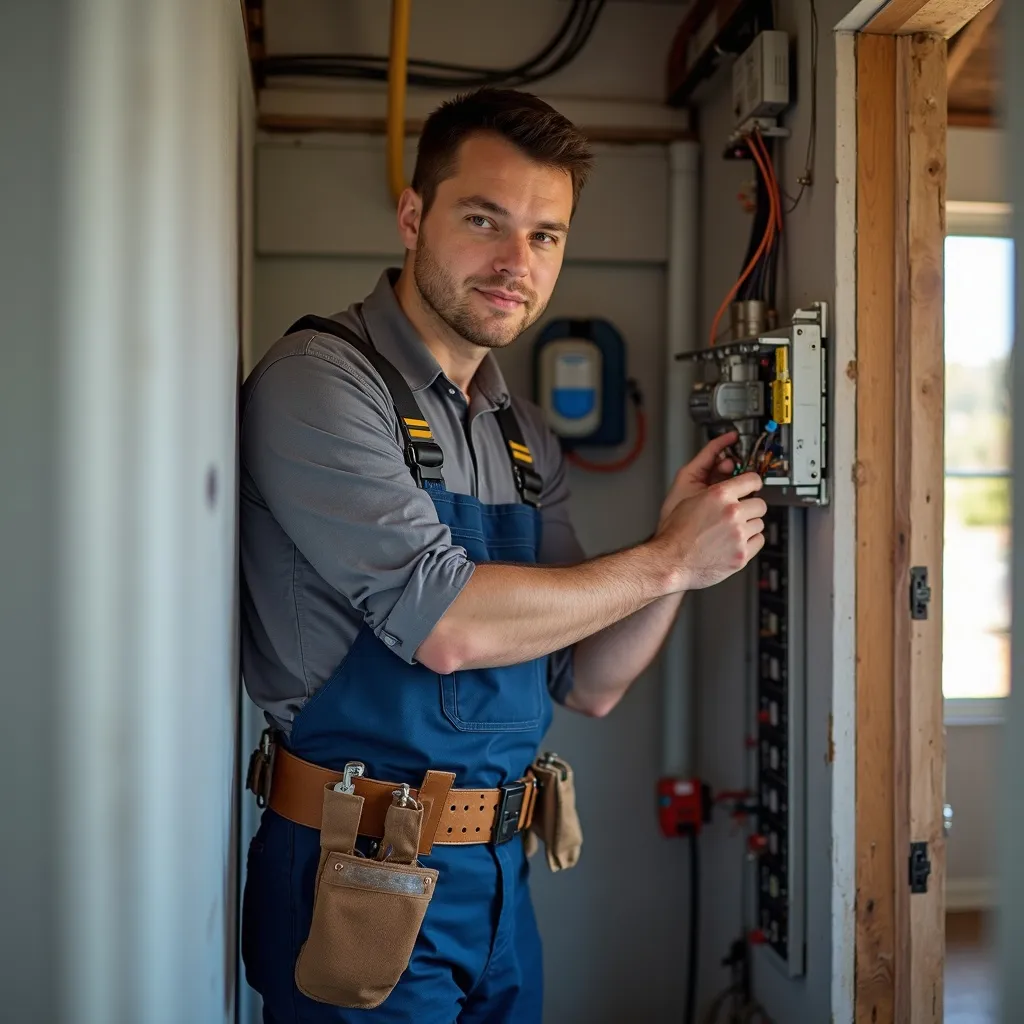
Important Traits of a Credible Electrical Contractor
When assessing an electrician, it is vital to establish the critical qualities that lead to trustworthiness. A trustworthy contractor must demonstrate proper licensing and insurance, guaranteeing adherence to local regulations and protection from potential liabilities. Experience in the industry is another crucial factor; seasoned contractors are more proficient at resolving diverse electrical problems and grasping complex systems.
Additionally, proficient interaction skills are important, helping contractors to communicate procedures and tackle client concerns plainly. A reliable contractor also exhibits trustworthiness, presenting straightforward pricing and steering clear of additional fees. Moreover, positive testimonials and previous client feedback can serve as benchmarks of dependability and excellent service. Finally, a investment in continuous education shows a contractor's commitment on understanding current industry regulations and modern solutions, which is essential for offering secure and skilled electrical services. These qualities collectively form the foundation of a trustworthy electrical contractor.
How to validate if Your Electrician Is qualified?
Verifying an electrician's credentials is a critical step in guaranteeing quality and security in electrical work. To start, homeowners should ask to see the electrician's permit, which confirms they meet regional and state requirements. Checking for insurance is just as important, as it protects homeowners from responsibility in case of accidents. Furthermore, looking for credentials from recognized institutions can indicate advanced expertise and expertise.
Property owners can also inquire about the electrician's experience in particular types of electrical work relevant to their requirements. Reviewing client feedback and testimonials from previous clients offers insights into the electrical professional's dependability and expertise. Additionally, direct communication can demonstrate the technician's ability to explain their qualifications and approach to the assignment. By taking these steps, property owners can guarantee they hire a qualified electrician capable of delivering safe and effective electrical services.
How Experience Is Important for Electrical Contractors
Experience plays a crucial role in the success of electrical contractors. A proven skill set, compliance with safety regulations, and solid problem-solving skills are all signs of seasoned professionals. These qualities not only enhance the standard of work but also ensure a more secure environment for clients.
Demonstrated Capabilities
A knowledgeable electrical professional delivers an extensive collection of knowledge that significantly affects the quality and safety of electrical work. Their recognized competencies covers a broad spectrum of proficiencies, including problem-solving, setup, and care of electrical systems. Knowledge permits them to quickly identify issues and apply effective remedies, curtailing downtime and maintaining peak operation. Furthermore, veteran service providers understand the latest technologies and industry advancements, permitting them to provide modern solutions tailored to unique customer requirements. Their hands-on experience also equips them with the practical knowledge essential to navigate stringent electrical regulations and compliance standards. In conclusion, a veteran electrical contractor strengthens the stability of repairs and installations, establishing trust and confidence among patrons.
Safety Compliance Standards
Understanding the sophisticated domain of safety compliance standards demands a comprehensive grasp and practical knowledge that only seasoned electrical contractors possess. These specialists are knowledgeable in local, state, and national regulations, ensuring that all installations and repairs meet the highest safety protocols. Their expertise allows them to anticipate potential hazards and apply preventative measures effectively. Moreover, knowledge of industry standards, such as the National Electrical Code (NEC), is essential for maintaining compliance and safeguarding lives. A competent electrical contractor not only emphasizes safety but also performs thorough inspections to identify any discrepancies. This dedication to compliance not only decreases risks but also improves the longevity and reliability of electrical systems, ultimately benefiting clients and the broader community.
Analytical Problem-Solving Skills
Navigating intricate electrical problems requires keen problem-solving skills that seasoned electrical contractors offer. Their vast knowledge empowers them to quickly diagnose issues and provide practical solutions, minimizing downtime and ensuring safety. Unlike less seasoned contractors, they have faced a wide range of scenarios, enabling them to anticipate potential difficulties before they emerge. This foresight results in smooth project execution and minimized costs for clients. Additionally, their understanding of multiple systems and technologies allows them to keep pace with changing industry standards effectively. Ultimately, the problem-solving expert advice abilities of skilled electrical contractors not only boost the quality of installations and repairs but also cultivate dependability and reliability in their services. Experience truly is an invaluable benefit in this field.
Why Clear Pricing Is Essential
Why is transparent pricing necessary in the electrical contracting industry? Clear pricing builds confidence between contractors and clients, guaranteeing clarity in budget plans. When clients get detailed estimates that list labor, materials, and potential additional charges, they can make informed choices without the fear of hidden costs. This frankness promotes a positive working relationship and drives repeat business.
In addition, transparent rate structures permits customers to weigh offerings effectively, enabling them to determine contractors who offer fair and forthright pricing. It reduces miscalculations and disagreements, accelerating the project process. A recognized electrical contractor who employs forthright pricing illustrates diligence and dependability, reinforcing their commitment to superior service. Ultimately, transparency in pricing not only enhances customer satisfaction but also adds value to a contractor's reputation in a challenging market, leading to long-term success.
What to Expect During the Electrical Contract Process
During the electrical work procedure, clients can expect a systematic method that begins with an first meeting. This meeting allows the contractor to evaluate requirements and explore potential solutions. Following this, the repair and installation steps are completed with careful attention and adherence to safety protocols.
Introductory Discussion Process
What can one anticipate when starting the electrical contracting process? The initial consultation serves as a vital step for both the client and the contractor. During this meeting, the contractor discusses the client's requirements, goals, and any specific requirements for the project. They will assess the site, noting potential obstacles and advantages. Clients should be prepared to ask questions about schedules, expenses, and the contractor's credentials. The contractor typically provides insights into the latest technologies and solutions that align with the client's vision. This stage often includes detailed discussions about adherence with local rules and safety standards. Ultimately, the initial consultation lays the groundwork for a transparent working relationship, ensuring both parties are on the same page before proceeding.
Mounting and Correction Guidelines
Once the preliminary consultation is done, the installation and repair process begins with a detailed assessment of the project needs. The electrical contractor evaluates existing systems, detects potential issues, and creates a plan that details necessary materials and timelines. Following this assessment, the contractor obtains any required permits and licenses to guarantee compliance with local regulations.
Next, the construction or restoration work is executed, which may involve circuit installation, fixture installation, or capacity improvements. Throughout the process, the contractor sustains ongoing dialogue with the client to address any apprehensions. After completion, a final inspection verifies that everything complies with safety standards and operates as expected. The contractor imparts knowledge on maintenance and operation, assuring the client has assurance in their electrical system.
Creating Credibility With Your Electrical Contractor
Building trust with an electrical contractor is crucial for guaranteeing a positive project outcome. This partnership fosters open communication, enabling clients to convey their needs and worries while contractors offer expert advice and transparent pricing. A contractor's track record plays a critical role; confirmed qualifications, positive reviews, and past project recommendations can greatly influence a client's trust.
Additionally, defining explicit expectations about timelines, costs, and responsibilities establishes a strong foundation of trustworthiness. Frequent communications during the project can boost confidence, as clients stay aware and involved.
Moreover, a dependable contractor will be straightforward about potential difficulties and fixes, proving integrity and professionalism. Ultimately, building trust not only leads to better coordination but also guarantees that the electrical work is completed to the highest standards, ensuring safety and satisfaction for all parties involved.
Frequently Asked Questions
What Categories of Electric Services Do Contractors Usually Offer?
Electrical contractors typically offer services including electrical wiring setup, circuit fixes, light design, panel improvements, problem diagnosis, and upkeep. They also handle safety checks, energy assessments, and can help with renewable energy system installations, ensuring compliance with regulations.
How Should I Get Prepared for an Electrician's Consultation?
To prepare for an electrician's visit, one should clear the work area, guarantee convenient access to outlets and panels, collect relevant documents, and list particular concerns or inquiries to discuss during the appointment.
What Safety Precautions Do Electrical Contractors Execute?
Electrical contractors follow strict safety measures, including wearing personal protective equipment, ensuring proper tool usage, complying with electrical standards, conducting risk assessments, servicing tools and apparatus, and applying lockout/tagout systems to avoid unintended power activation during work.
Are Electric Contractors Insured and Bonded?
Yes, electrical contractors are generally warranted and bonded. This warrants assurance against exposure and impairment during assignments, providing clients with comfort and safeguarding both parties involved in the binding contract.
How Do I Handle Electrical Emergencies?
During electrical emergencies, you should immediately turn off the power, steer clear of water, and contact a certified electrician. Maintaining composure and protecting yourself is vital before professional assistance gets there to fix the issue.
Report this page